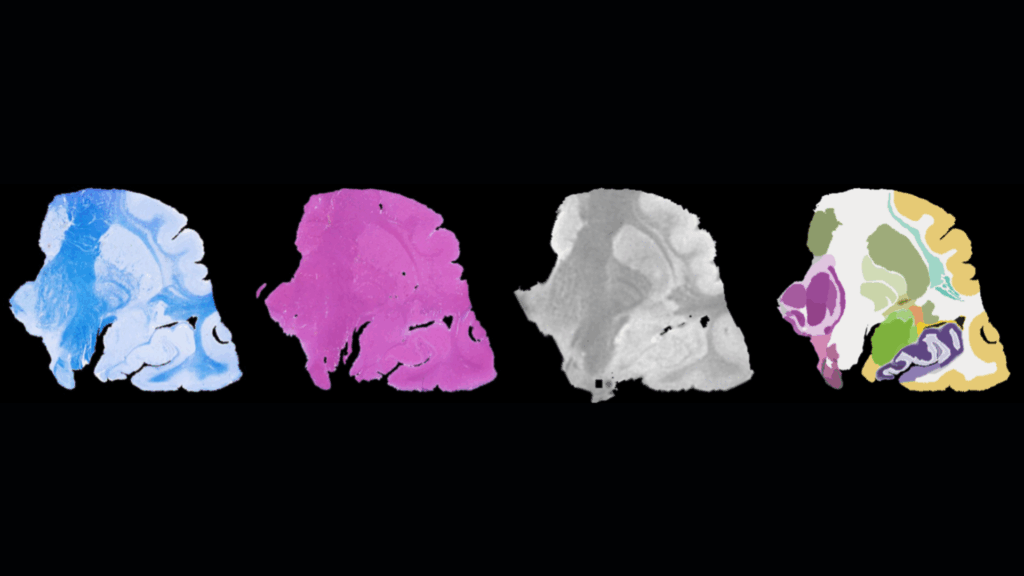
A new AI-assisted brain atlas that can help visualise the human brain in unprecedented detail has been developed by UCL researchers, in a major step forward for neuroscience and neuroimaging. The human brain comprises hundreds of interconnected regions that drive our thoughts, emotions, and behaviours. Existing brain atlases can identify major structures in MRI scans […]
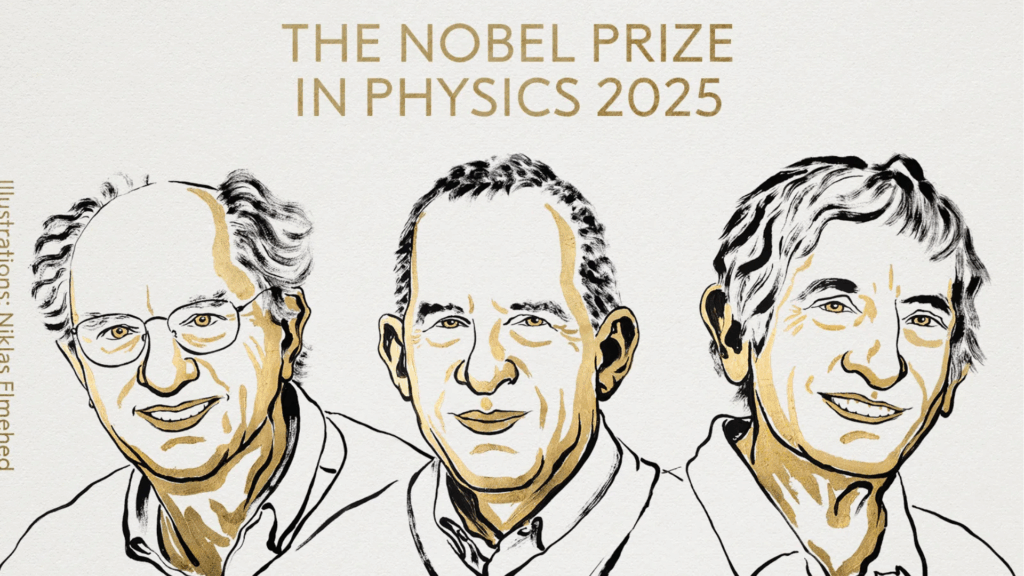
Quantum Phenomena in Superconducting Circuits: The Work of Clarke, Devoret, and Martinis, Nobel Laureates in Physics 2025, Lays the Foundation for the Quantum Computer In the International Year of Quantum Mechanics and Technology, the Nobel Prize in Physics has been awarded to three physicists: John Clarke, Michel H. Devoret, and John M. Martinis, “for the […]
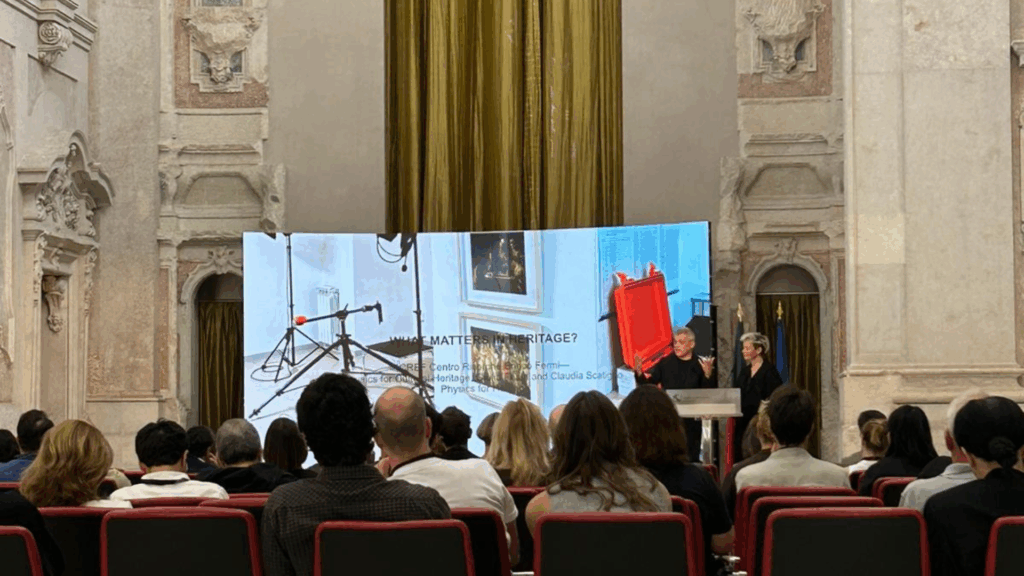
“How heavy is a City?” This question served as the inspiration for the 2025 edition of the Lisbon Architecture Triennale, prompting a profound reflection on the contemporary challenges facing human spaces, at a time when the city can be considered co-extensive with the technosphere. This new emerging planetary paradigm defines the Anthropocene. This perspective was explored through the […]
The Enrico Fermi Research Center and Historical Museum (CREF) will actively participate in the 2025 edition of the European Researchers’ Night, the annual event promoted by the European Commission, which this year will take place on September 26 and 27. CREF will be a partner in the NET – scieNcE Together project, confirming its commitment […]

The 14th edition of the International School on Magnetic Resonance and Brain Function (ISMRBF) will be held from October 24 to 29, 2025, in Erice (Sicily, Italy) at the Ettore Majorana Centre for Scientific Culture. The workshop will focus on MRI techniques and methods for the integrated study of the brain, its physiology, and its functional dynamics. Registration […]
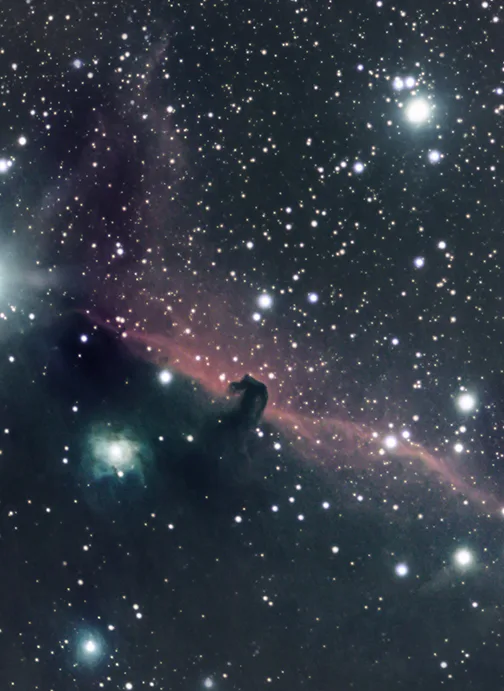
the research The study of the nucleosynthesis of elements found on Earth and, more broadly, in the universe, is a fundamental area of research aimed at understanding the production mechanisms of various elements. This includes both the lighter elements (hydrogen, deuterium, helium, lithium) created during Big Bang Nucleosynthesis, and the heavier ones, synthesized within stellar […]
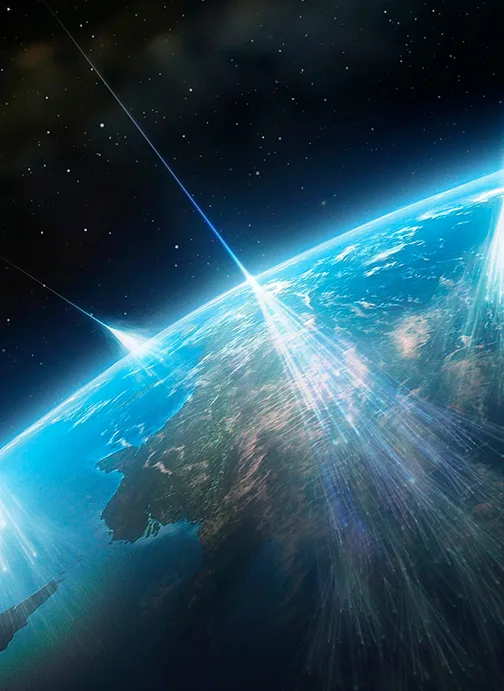
the research The Extreme Energy Events (EEE) Project – “Science in Schools” is an experiment for the detection and study of cosmic rays at ground level, combined with an innovative program for the dissemination of scientific culture. It involves the installation of cosmic muon telescopes in Italian schools: students and teachers take part in all […]
the research Ecco una traduzione professionale, fluida e ottimizzata per il web, che mantiene il tono accademico e scientifico del testo originale: The Statistical Physics and Complex Systems in Natural Sciences project is structured into closely interconnected lines of research, focused on the multiscale understanding and modeling of natural complex systems. The main directions include: […]

the research This project explores the transformative potential of Artificial Intelligence (AI) through an interdisciplinary approach that integrates computer science, network science, economics, and sociology. On one hand, we study the limitations and potential of AI to understand social, technological, and economic dynamics; on the other, we apply these models to conduct innovative investigations into […]
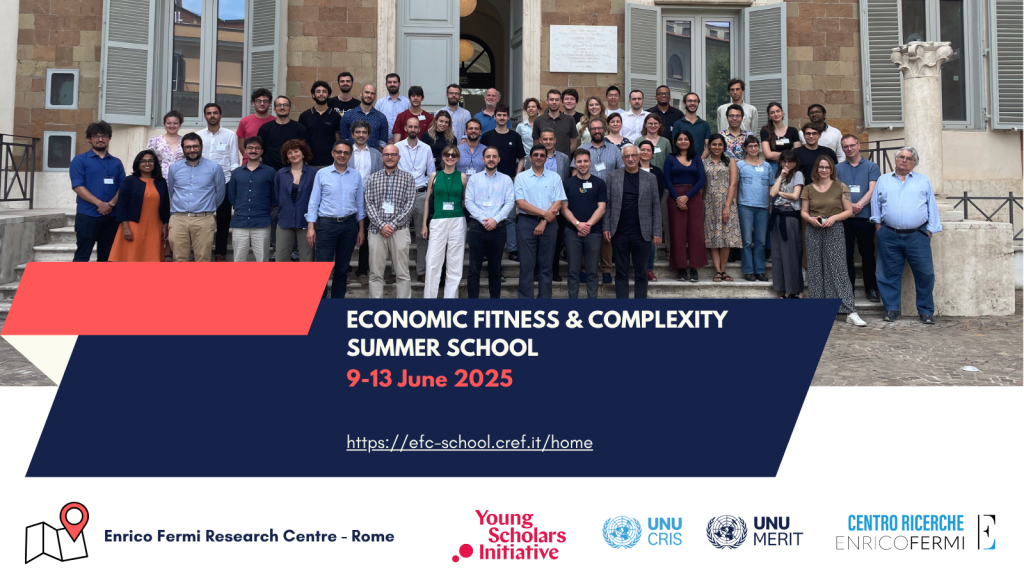
From June 9th to 13th, the Enrico Fermi Research Center (CREF) will host the third edition of the Economic Fitness and Complexity (EFC) Summer School. This year’s school is organized in collaboration with UNU-MERIT (Maastricht), UNU-CRIS (Bruges), and the Young Scholar Initiative of the Institute for New Economic Thinking. Economic Fitness and Complexity is a […]

