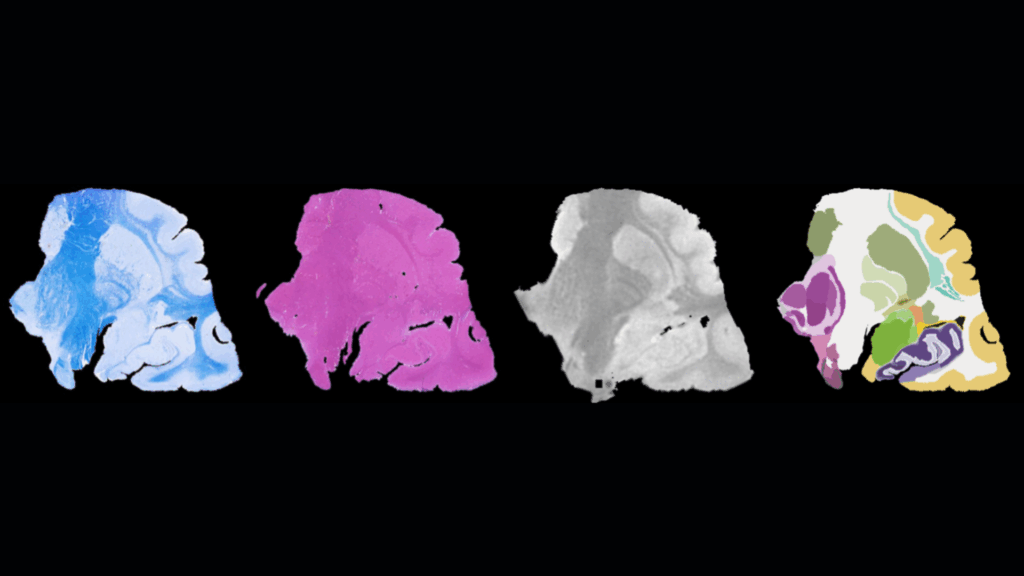
A new AI-assisted brain atlas that can help visualise the human brain in unprecedented detail has been developed by UCL researchers, in a major step forward for neuroscience and neuroimaging. The human brain comprises hundreds of interconnected regions that drive our thoughts, emotions, and behaviours. Existing brain atlases can identify major structures in MRI scans […]
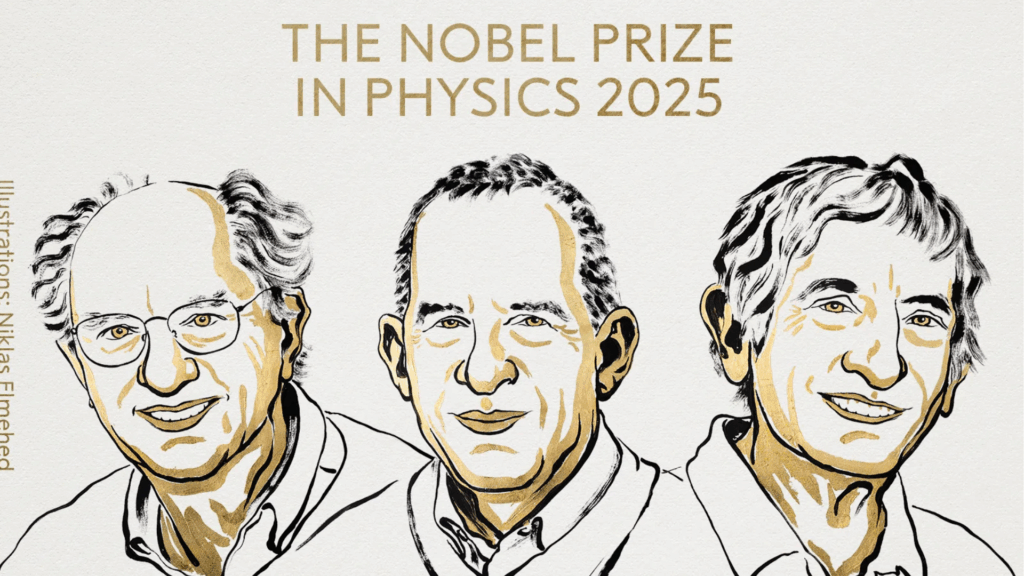
Quantum Phenomena in Superconducting Circuits: The Work of Clarke, Devoret, and Martinis, Nobel Laureates in Physics 2025, Lays the Foundation for the Quantum Computer In the International Year of Quantum Mechanics and Technology, the Nobel Prize in Physics has been awarded to three physicists: John Clarke, Michel H. Devoret, and John M. Martinis, “for the […]
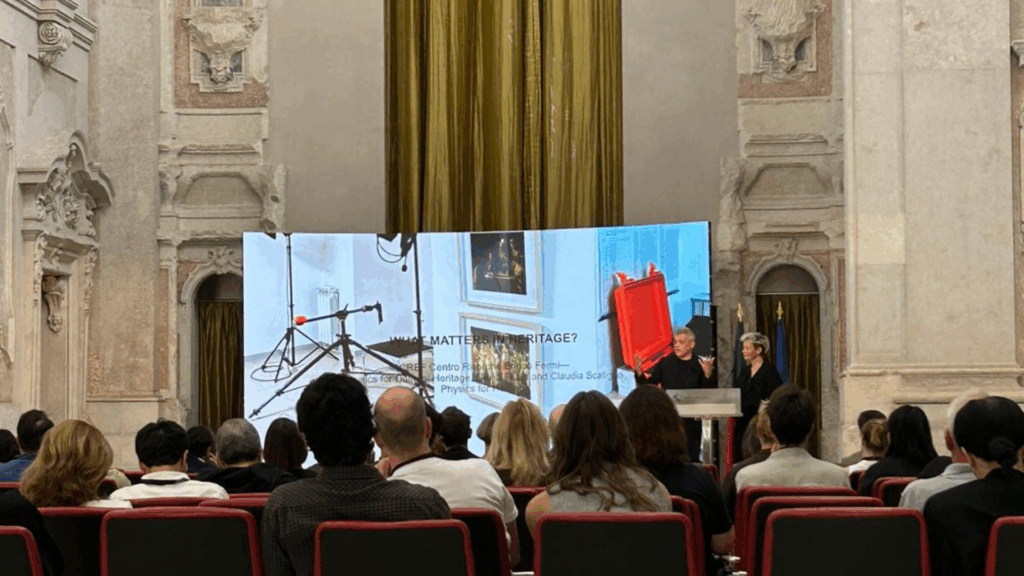
“How heavy is a City?” This question served as the inspiration for the 2025 edition of the Lisbon Architecture Triennale, prompting a profound reflection on the contemporary challenges facing human spaces, at a time when the city can be considered co-extensive with the technosphere. This new emerging planetary paradigm defines the Anthropocene. This perspective was explored through the […]
The Enrico Fermi Research Center and Historical Museum (CREF) will actively participate in the 2025 edition of the European Researchers’ Night, the annual event promoted by the European Commission, which this year will take place on September 26 and 27. CREF will be a partner in the NET – scieNcE Together project, confirming its commitment […]

The 14th edition of the International School on Magnetic Resonance and Brain Function (ISMRBF) will be held from October 24 to 29, 2025, in Erice (Sicily, Italy) at the Ettore Majorana Centre for Scientific Culture. The workshop will focus on MRI techniques and methods for the integrated study of the brain, its physiology, and its functional dynamics. Registration […]
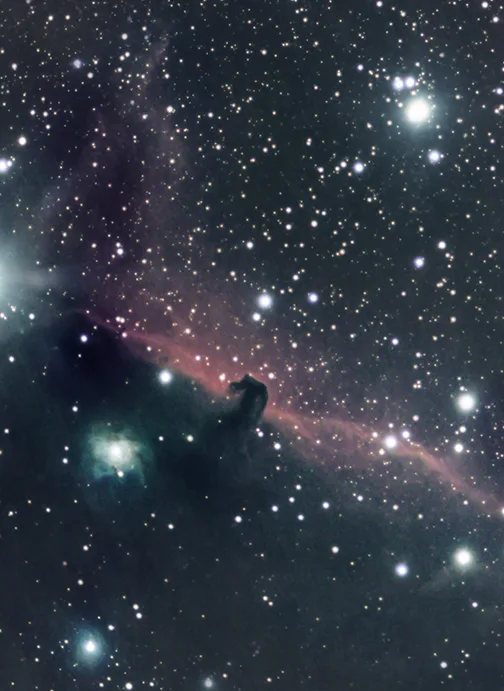
the research The study of nucleosynthesis, which is the formation of elements found on Earth and throughout the universe, is a fundamental field of research. Its goal is to understand the mechanisms that produce different elements, from the lightest (hydrogen, deuterium, helium, lithium) created during Big Bang Nucleosynthesis, to the heavier ones synthesized in the […]
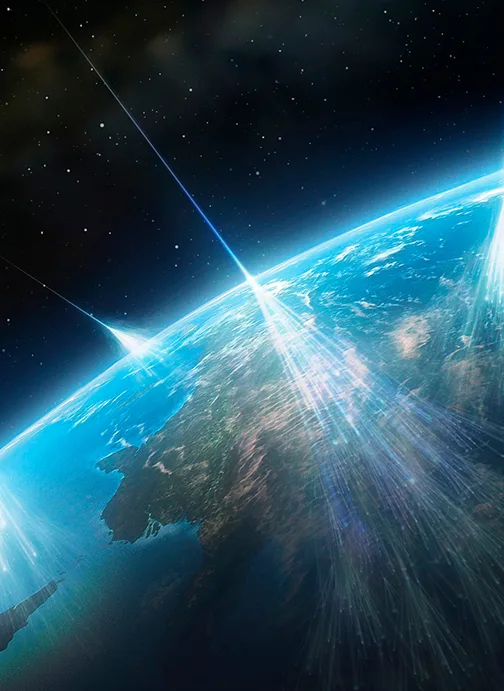
the research The Extreme Energy Events (EEE) Project is an experiment to measure and study cosmic rays on the ground, with an innovative and impactful program for the dissemination of scientific culture. EEE involves installing cosmic muon-tracking telescopes in Italian schools, where students and teachers are involved in all phases, from building the detectors to […]
the research The Statistical Physics and Complex Systems in Natural Sciences project is based on several closely interconnected research areas, each focused on a crucial aspect for understanding and tackling the complexity of natural systems. The main research areas are: applying the Renormalization Group to study the multi-scale properties of heterogeneous complex networks; interdisciplinary applications […]

the research This project explores the transformative potential of Artificial Intelligence (AI) through an interdisciplinary approach that blends computer science, network science, economics, and sociology. We analyze both the limitations and immense potential of AI to decipher complex social, technological, and and economic dynamics. We then apply these models to conduct innovative research on crucial […]

the research Complexity theory provides a powerful conceptual and methodological framework for analyzing emergent phenomena in social and economic systems. These systems, characterized by multiple interconnected actors and nonlinear dynamics, require approaches that can capture complex relationships and emergent patterns. Since traditional approaches aren’t sufficient to grasp this complexity, this project is divided into three […]