

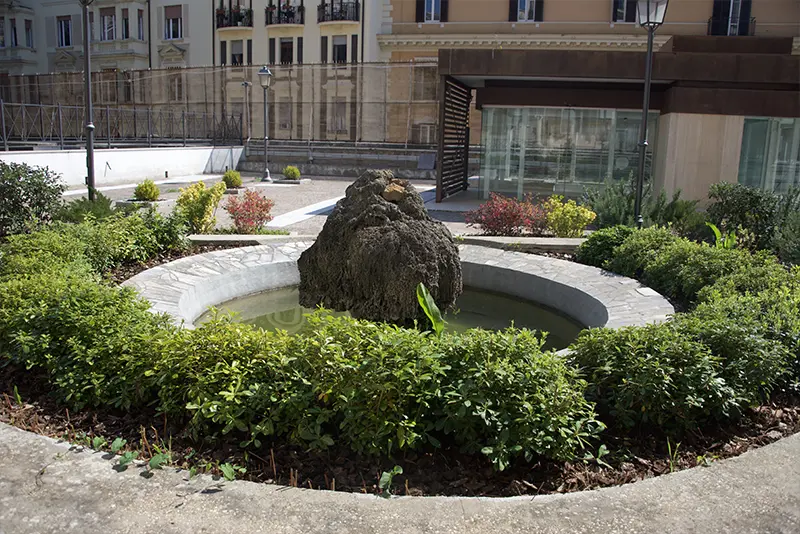
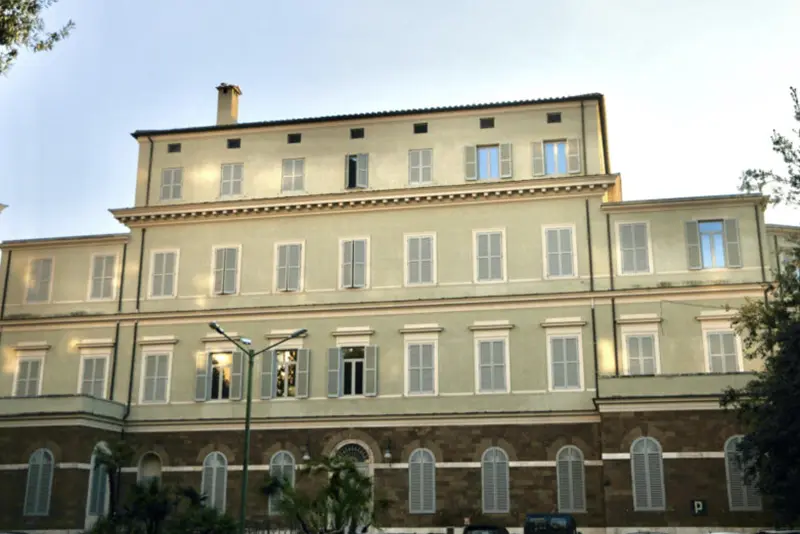
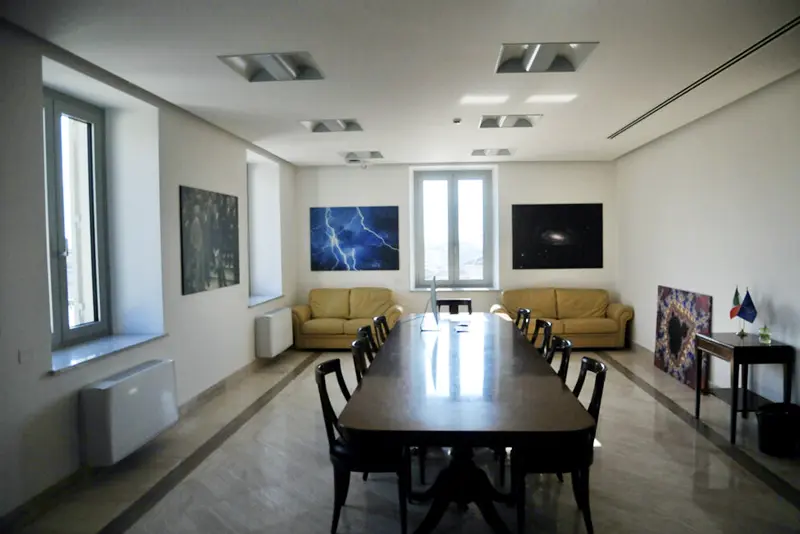

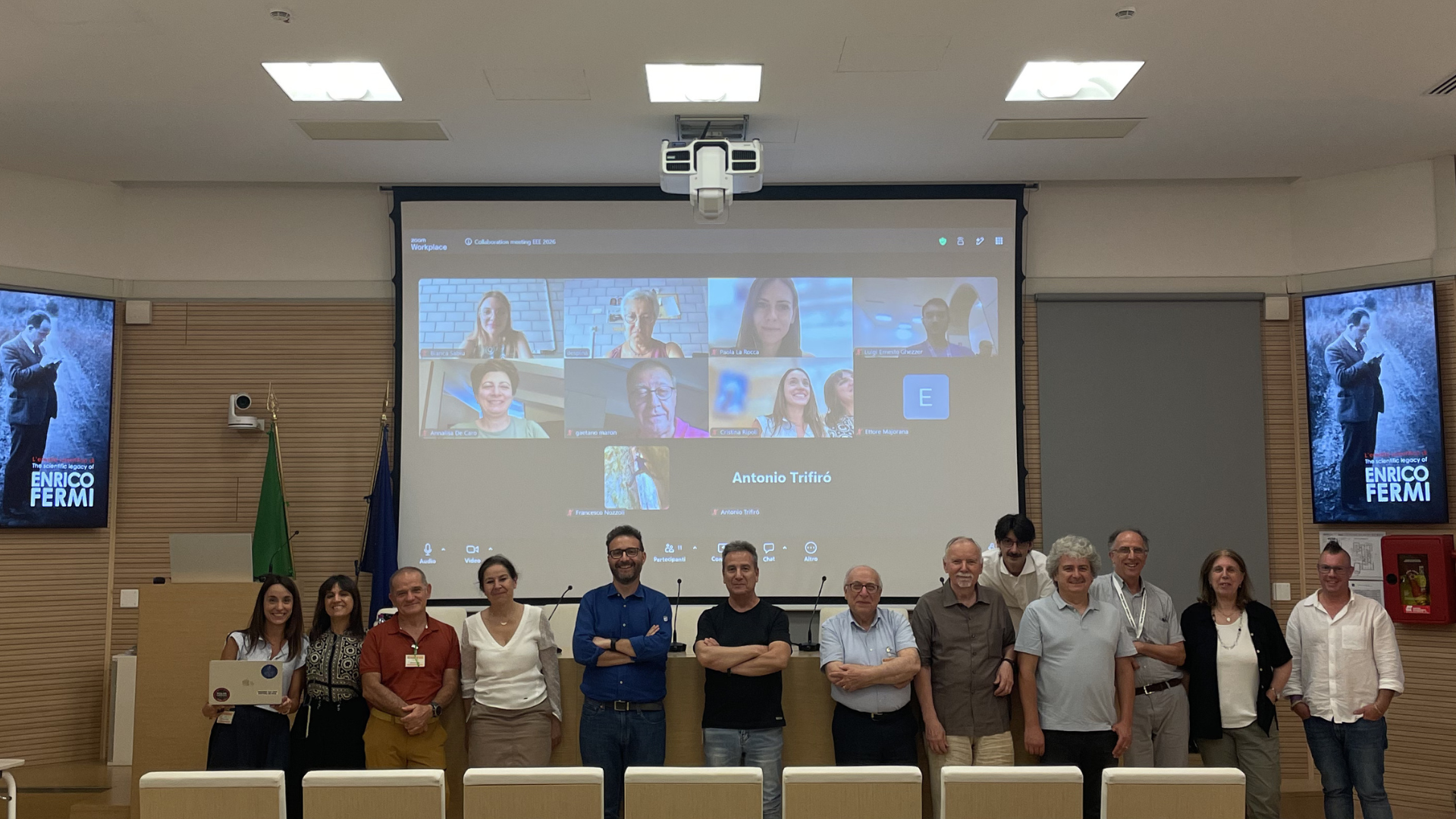


The NQN Project has its operational base at the Neuroimaging Laboratory/MARBILab, located within the Santa Lucia Foundation. This is a joint facility resulting from a collaboration between the Foundation and CREF, under the leadership of the NQN Principal Investigator. The laboratory is divided into two main areas: the Neurophysics Section, which manages the technology-driven and data science activities, and the Neuropsychology Section, which coordinates activities related to the clinical and psychological evaluation of volunteers and patients.
Personnel have access to dedicated workspaces permanently connected to the CREF headquarters via a secure VPN (LAN-to-LAN). Access to resources, available both locally and remotely, includes:
-
A grid computing engine for distributed computing with over 128 nodes and two enterprise-class GPUs installed on latest-generation servers
-
A neuroimaging database supported by a central SAN storage system exceeding 400 TB
-
Eight ultra-high-performance GPU-equipped workstations
-
A wide range of software optimized for data processing, including both general-purpose and internally developed tools
Researchers
Federico Giove (Project Leader)