
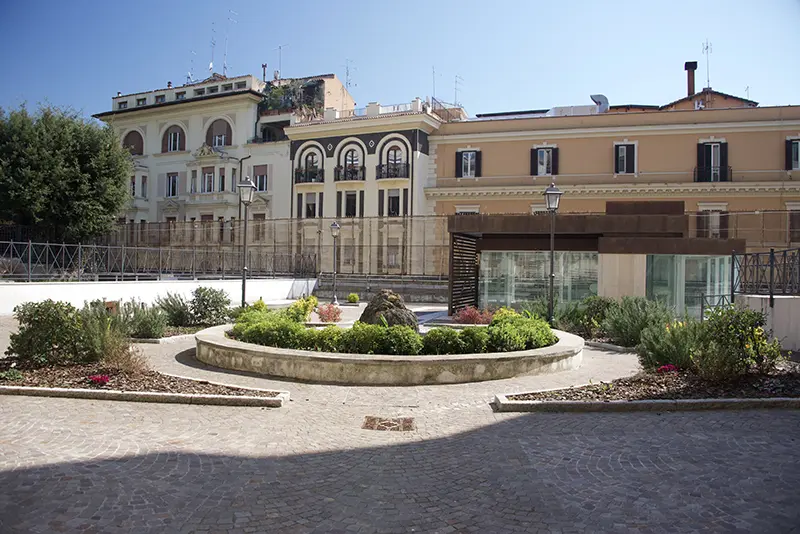
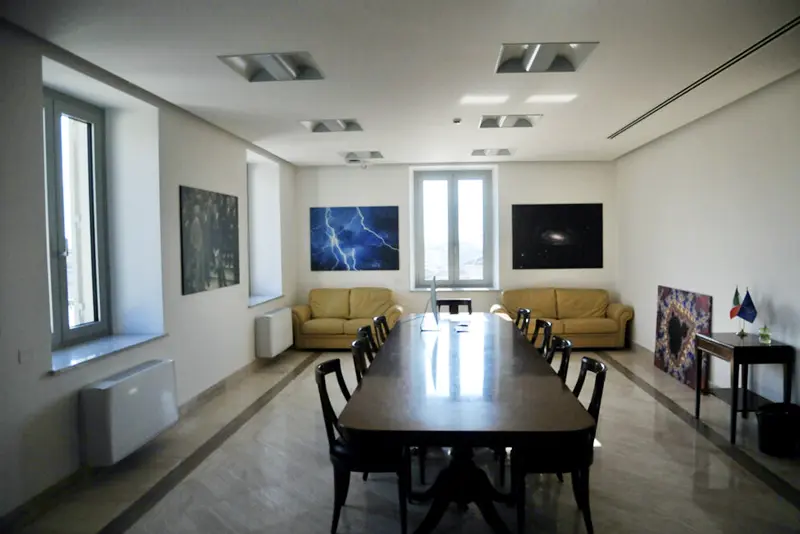
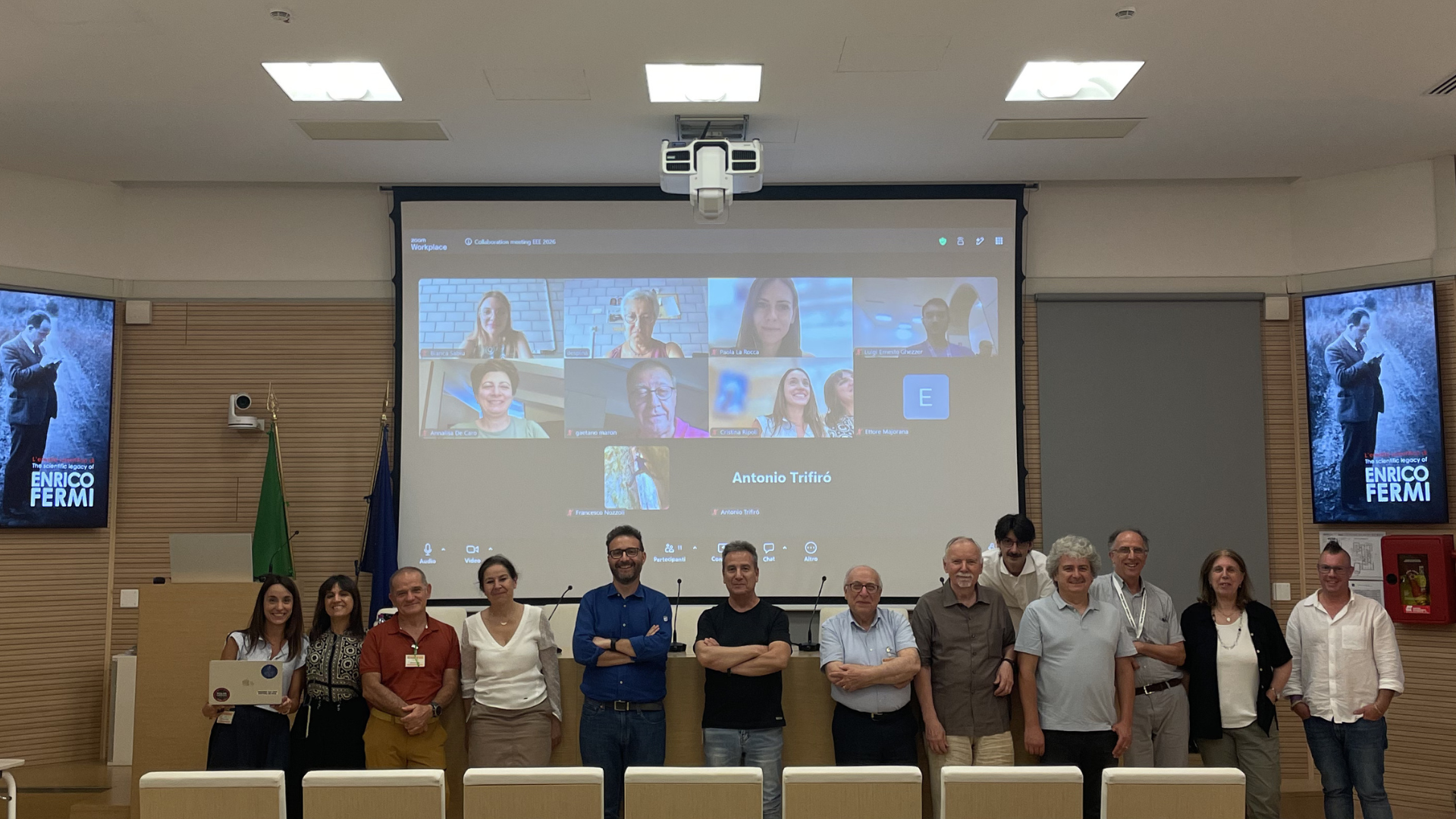
On June 30 and July 1, 2026, the Enrico Fermi Research Center (CREF) hosted the meeting of the EEE Collaboration...

The Enrico Fermi Research Center - CREF promotes original and high-impact lines of research, based on physical methods, but with a strong interdisciplinary character and in relation to the main problems of the modern knowledge society.
The CREF was born with a dual soul: a research centre and a historical museum. Its aim is to preserve and disseminate the memory of Enrico Fermi and to promote the dissemination and communication of scientific culture.
Publications, news, press review. For interviews, filming, and press contacts, please write to comunicazione@cref.it
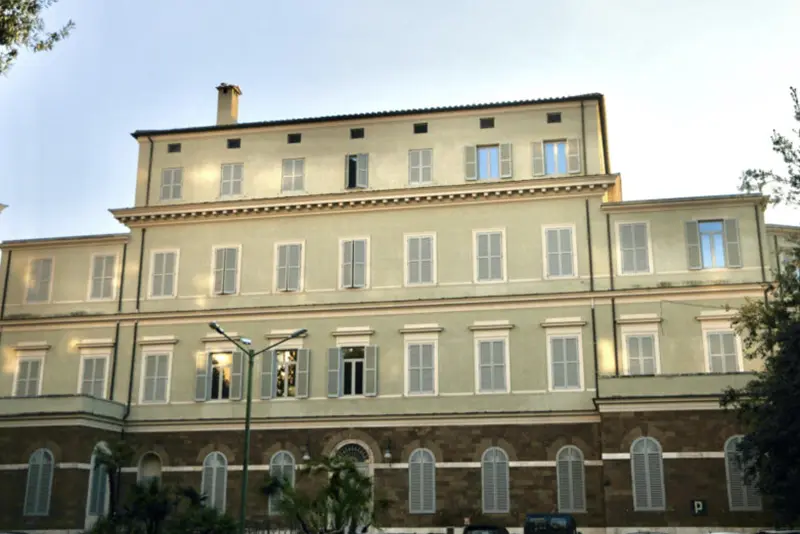
The project, conceived within the context of the renovated historic headquarters of the Historical Museum of Physics and the “Enrico Fermi” Research Center (CREF), aims to retrace the history of the Royal Institute of Physics during the period when it was located in Via Panisperna. It preserves and disseminates the memory of its key figures and the research carried out there, during an era when Italian physics played a leading role on the international stage.
The project is closely linked to the updating of the Enrico Fermi Museum’s content and the organization and implementation of CREF’s “Third Mission” activities, fostering a continuous and reciprocal collaboration. Unsurprisingly, the latest milestones achieved consist of products related to outreach and the multimedia world.
Continuing the work initiated with the study of the scientific biography of Pietro Blaserna (1836–1918), the founder and first director of the Royal Institute of Physics, the research has delved deeper into the figure and work of his successor, the physicist Orso Mario Corbino (1876–1937). Particular attention has been paid to highly significant events linked to Corbino’s directorship, both at an institutional and organizational level—with specific reference to relations with Enrico Fermi and his group of collaborators—and at the level of communication and high-profile dissemination of scientific culture, specifically in Physics.
The institutional and research policy relations between Orso Mario Corbino and Guglielmo Marconi were also studied. This includes their impact on the support and funding of the research conducted by the group led by Fermi, as well as broader issues of research policy in the first thirty years of the twentieth century, with a specific focus on the founding of the CNR Institute of Electroacoustics at the Via Panisperna headquarters, under Corbino’s directorship and with the support of Marconi, who was president of the CNR at the time.
Furthermore, within the framework of gender studies, in addition to an in-depth examination of the work of several female scientists who contributed to the research carried out at the Royal Institute of Physics during the period under review, the research explored the figure of Laura Capon Fermi and her work as a historian and activist during the American chapter of her life.
Research and study continue regarding the life and work of Arturo Malignani, an ingenious inventor and a self-taught, inquisitive scholar who played an important role in the development of the incandescent light bulb during a crucial moment in Italian history concerning the birth of technology and the growth of electricity use. Following the discovery of new archival materials, this theme is being further developed, as it also connects to the interests of the Royal Institute of Physics in Via Panisperna during Blaserna’s directorship and his collaboration with Guglielmo Mengarini, the designer of the power transmission system built by the Tivoli power plant to transport electricity to the capital.
Miriam Focaccia (Project Leader)